



Intel Core Ultra 5 vs Ultra 7 - Which Should You Choose?
Here is something Intel’s own marketing does not make easy to understand: the gap between Core Ultra 5 and Core Ultra 7 is not always what it appears. Sometimes the Ultra 7 is dramatically more capable. Sometimes it is a modest step up that most users would never notice. The difference depends not just on the tier number, it depends on which series variant you are comparing.
This matters practically, because choosing between an Ultra 5 and an Ultra 7 laptop involves a decision that sits beneath the headline chip name. Get it right and you spend appropriately for what you actually need. Get it wrong and you either overpay or under-buy.
Here is the honest version of what separates them.
- September 21, 2026
- 13 min read
- Techyest Team
Features
Intel Core i5
AMD Ryzen 5
Best for
Typical variant
Core count
Battery life
AI / NPU
Copilot+ capable
Real-world gap
- Everyday professional use, portability, battery life
- U-series (e.g. 225U)
- Fewer cores, efficiency-focused
- Stronger — U-series is power efficient
- Yes — both include Intel AI Boost NPU
- Yes, on select models
- Small for typical office work
- Demanding multitasking, sustained heavy workloads
- H-series (e.g. 255H)
- More cores, performance-focused
- Shorter under load — H-series draws more power
- Yes — both include Intel AI Boost NPU
- Yes, on select models
- Noticeable under sustained heavy workloads
What "Core Ultra" Actually Means
Both Core Ultra 5 and Core Ultra 7 are part of Intel’s second-generation Core Ultra architecture, a significant departure from the older Core i-series naming that most buyers are familiar with. Three things make these chips meaningfully different from an older i5 or i7.
A dedicated NPU. Both Ultra 5 and Ultra 7 include Intel AI Boost, a dedicated Neural Processing Unit that handles AI-accelerated tasks separately from the CPU. This is what enables Copilot+ features in Windows 11: background blur, noise suppression, auto-framing, and AI-assisted productivity tools. Neither an older Core i5 nor i7 can do this natively.
Improved integrated graphics. Intel Arc integrated graphics in Core Ultra chips outperform the older Intel Iris Xe graphics found in i5 and i7 chips, relevant for light creative work, video playback, and any task that uses the GPU without a dedicated card.
Better power-efficient architecture. The new chip design delivers more performance per watt, which translates to better battery life at comparable performance levels versus older generations.
Both Ultra 5 and Ultra 7 share these foundational improvements. The tier difference is about how much performance headroom sits on top of that foundation.
If we had to recommend one
Lenovo ThinkPad E16
The Perfect balance of performance,
Portability and Reliability for Professionals
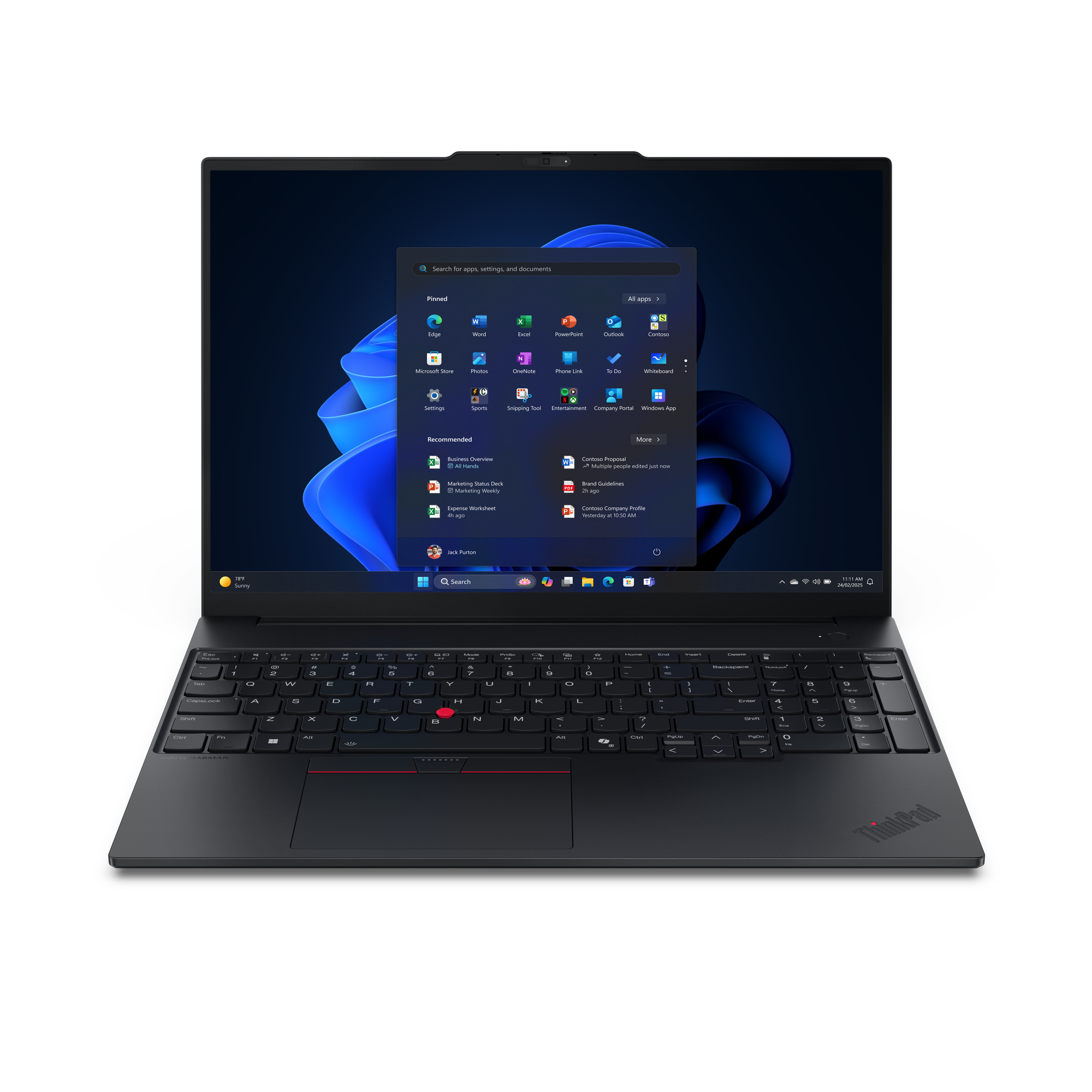
Efficient Business Performance
Intel Core Ultra 7 processing with 16GB Soldered LPDDR5X RAM delivers smooth multitasking for everyday professional workloads.
Built to Move
At around 1.45 kg, the compact design makes it ideal for meetings, office work, and working on the go.
Secure Your Work
Fingerprint authentication, TPM 2.0, and a privacy shutter help keep your business data and conversations protected.
Price
£918.50 Excl. VAT
Next Day Delivery
Order by 4pm
Manufacturer Warranty
Fast dispatch with full warranty protection
If we had to recommend one
HP ProBook 460
A sleek 16″ laptop designed for
professionals who need strong
performance, effortless multitasking,
and mobility throughout the workday.
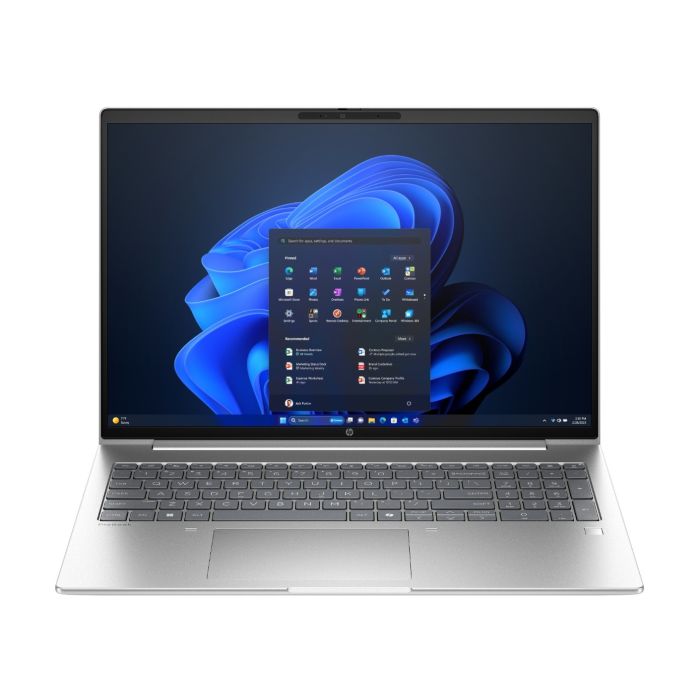
Power Your Workflow
Intel Core Ultra 5 performance with 24GB DDR5 and 256 GB SSD M.2 delivers fast, responsive performance for demanding professional workloads.
Work Anywhere
A lightweight 16" design makes it easy to carry between meetings, offices, and workspaces.
Built for Modern Work
A WUXGA 16:10 display, Full HD IR camera with privacy shutter, Wi-Fi 6, and fast connectivity keep you productive and connected.
Price
£968.97 Excl. VAT
Next Day Delivery
Order by 4pm
Manufacturer Warranty
Fast dispatch with full warranty protection
The Thing Most Comparisons Miss — U-Series vs H-Series
Here is the insight that changes how to think about this comparison, and one that most laptop buying guides do not cover.
The Core Ultra 5 and Core Ultra 7 in Lenovo’s ThinkPad E-series are not the same series variant. The ThinkPad E14 Gen 7 and E16 Gen 3 with Core Ultra 5 use the 225U — a U-series chip optimised for efficiency. The ThinkPad E14 Gen 7 and E16 Gen 3 with Core Ultra 7 use the 255H — an H-series chip optimised for performance.
That means the comparison is not just “5 vs 7” — it is also “efficiency architecture vs performance architecture.”
Core Ultra 5 225U - U-series:
Core Ultra 7 255H - H-series:
Designed to deliver maximum sustained performance. More cores, higher boost clocks, more thermal headroom. Better for workloads that genuinely push a processor, large datasets, video rendering, multiple demanding applications simultaneously. Draws more power, which affects battery life under load.

This is why the right chip is not always the higher-numbered one. A U-series Ultra 5 will outlast an H-series Ultra 7 on battery. An H-series Ultra 7 will pull ahead on demanding sustained workloads. Neither is universally better, they are optimised for different working patterns.
Performance: When the Gap Actually Matters
For standard professional workloads, Microsoft 365, Teams calls, browser-based tools, document editing, email, the practical performance difference between Core Ultra 5 225U and Core Ultra 7 255H is minimal. Both handle these tasks with headroom to spare. You would not notice a meaningful difference in day-to-day office use.
The gap opens up in specific scenarios.
Where Ultra 7 255H pulls ahead:
Where Ultra 5 225U is the smarter choice:
Battery Life: The Practical Difference
This is where the U vs H distinction becomes most tangible for everyday use.
The ThinkPad E14 Gen 7 with Core Ultra 5 225U carries a 64Wh battery in a 1.34kg chassis. The U-series chip’s efficient architecture means the battery works with the chip rather than against it. For a full professional working day away from a charger, the Ultra 5 U-series configuration is the stronger choice.
The ThinkPad E14 Gen 7 and E16 Gen 3 with Core Ultra 7 255H draw more power under load, the H-series is designed for performance, not efficiency. Battery life is adequate but shorter than the U-series equivalent, particularly when the processor is actually being pushed.
If you regularly work unplugged for extended periods, Core Ultra 5 225U wins on practical all-day usability. If you are near a charger most of the time and need the performance ceiling, Ultra 7 255H is the right call.
Check individual product listings for current battery specifications, these figures are based on configurations available at Techyest at time of publication.
Both Have the Same AI Foundation
One thing worth being clear about: both Core Ultra 5 and Core Ultra 7 include Intel AI Boost NPU support. The AI capability is not exclusive to Ultra 7.
Both the ThinkPad E14 Gen 7 Ultra 5 and Ultra 7 configurations can run Copilot+ features, AI-accelerated noise suppression on calls, and the growing range of NPU-dependent applications in Windows 11. The NPU performance between Ultra 5 and Ultra 7 is comparable for most AI workloads. Choosing Ultra 7 specifically for AI features is rarely the right reason to upgrade, the chip tier matters more for CPU-intensive tasks than for NPU-dependent ones.
Choose Core Ultra 5 if you want AI-ready performance across a broader selection of brands and price points — Ultra 5 spans ASUS, HP, and Lenovo across a wide range, from accessible everyday configurations to premium Copilot+ machines. If your work is primarily standard professional tools- Teams, Office, browser, email. you move around regularly and battery life matters, or you want a future-ready AI-capable machine without paying for H-series performance headroom you won’t consistently use, Ultra 5 is the more sensible choice for most buyers.
Choose Core Ultra 7 if you run demanding software, work with large datasets or complex projects, need maximum sustained performance, or you are primarily desk-based and near a charger during the working day. The Lenovo ThinkPad E14 Gen 7 and E16 Gen 3 are the current Ultra 7 options at Techyest, both are well-specified business machines with 16GB RAM, 512GB SSD, and Windows 11 Pro. The main practical difference between them is screen size: 14-inch for portability, 16-inch for more working space at a desk.
If you are equipping a team and need consistent business-grade hardware across both tiers, our Business Solutions team can help with bulk pricing and configuration.
Frequently Asked Questions
Is Intel Core Ultra 7 much faster than Core Ultra 5?
For everyday office tasks the difference is minimal and most users would not notice it. The gap becomes meaningful under sustained heavy workloads, data analysis, video rendering, software development, or heavy multitasking. For standard professional use, Core Ultra 5 handles everything comfortably.
Do both Core Ultra 5 and Ultra 7 support Copilot+ and AI features?
Which is better for battery life — Core Ultra 5 or Ultra 7?
What is the difference between Core Ultra 5 225U and Core Ultra 7 255H?
Are Core Ultra chips better than Core i7?
Which Core Ultra processor is right for business use?
For the vast majority of business tasks — Microsoft 365, video calls, browser-based tools, and everyday multitasking — Core Ultra 5 is more than sufficient and its U-series efficiency makes it a practical all-day business laptop. Core Ultra 7 is worth the step up for professionals who regularly run demanding software or sustained heavy workloads as part of their daily work. Browse our business laptops to compare current configurations across both tiers.

TechYest Editorial Team
The Techyest Team is a group of UK-based laptop specialists providing practical, honest buying advice for consumers and businesses across the United Kingdom. Our content is researched and written by in-house specialists with hands-on experience across HP, Dell, Lenovo, and ASUS product ranges. Every recommendation is based on direct product knowledge and a clear understanding of what UK buyers need at different budgets. All buying guides published under the Techyest Team are reviewed for accuracy against current UK stock availability, pricing, and manufacturer specifications before publication.
Follow Us On:


In This Guide
Recommended Picks:
- Intel Core Ultra 7
- 16 GB
- 512GB SSD

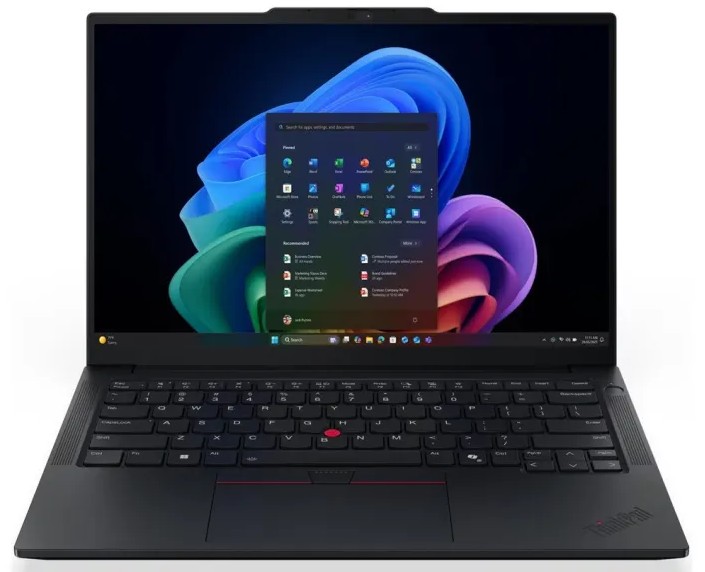
£1,170.50 Excl. VAT
- Intel Core Ultra 5
- 16GB
- 512GB SSD

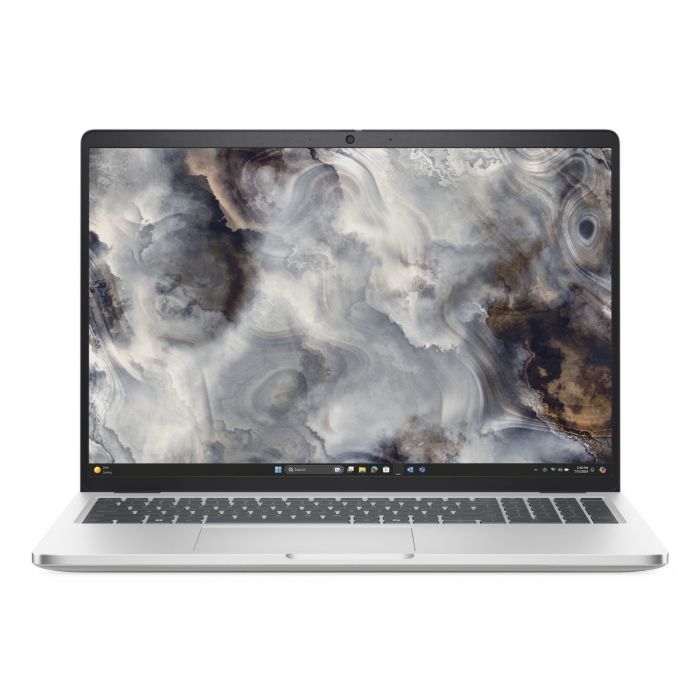
£1,055.30 Excl. VAT