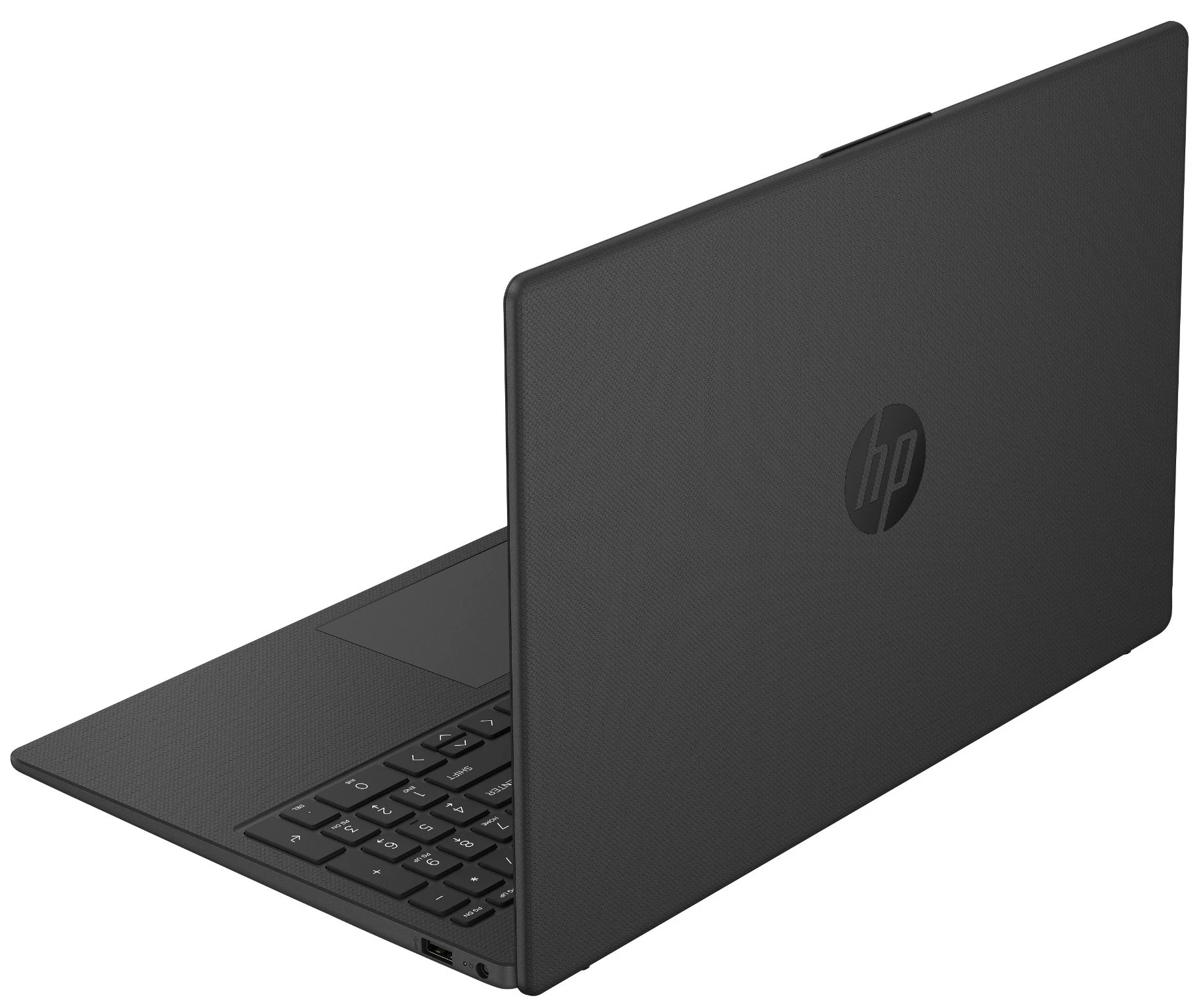



Best Laptops for Home Use in the UK 2026 — Simple, Reliable, Affordable
One thing many buyers realise too late is that most home users don’t actually need an expensive laptop: most people don’t need an expensive machine. If your day involves browsing the web, catching up on Netflix or BBC iPlayer, doing a bit of online shopping, video calling the family, and handling the odd Word document — a mid-range laptop handles all of it comfortably. You don’t need to spend £800.
This guide cuts through the noise and focuses on the best laptops for home use in 2026 — three genuinely good options at three different price points, all brand new, all covered by full UK manufacturer warranties, and all available for next-day delivery from Techyest.
- June 1, 2026
- 13 min read
- Techyest Team
Our Top Picks at a Glance
Not ready to read the full guide? Here are our top three picks — jump straight to the one that suits you:

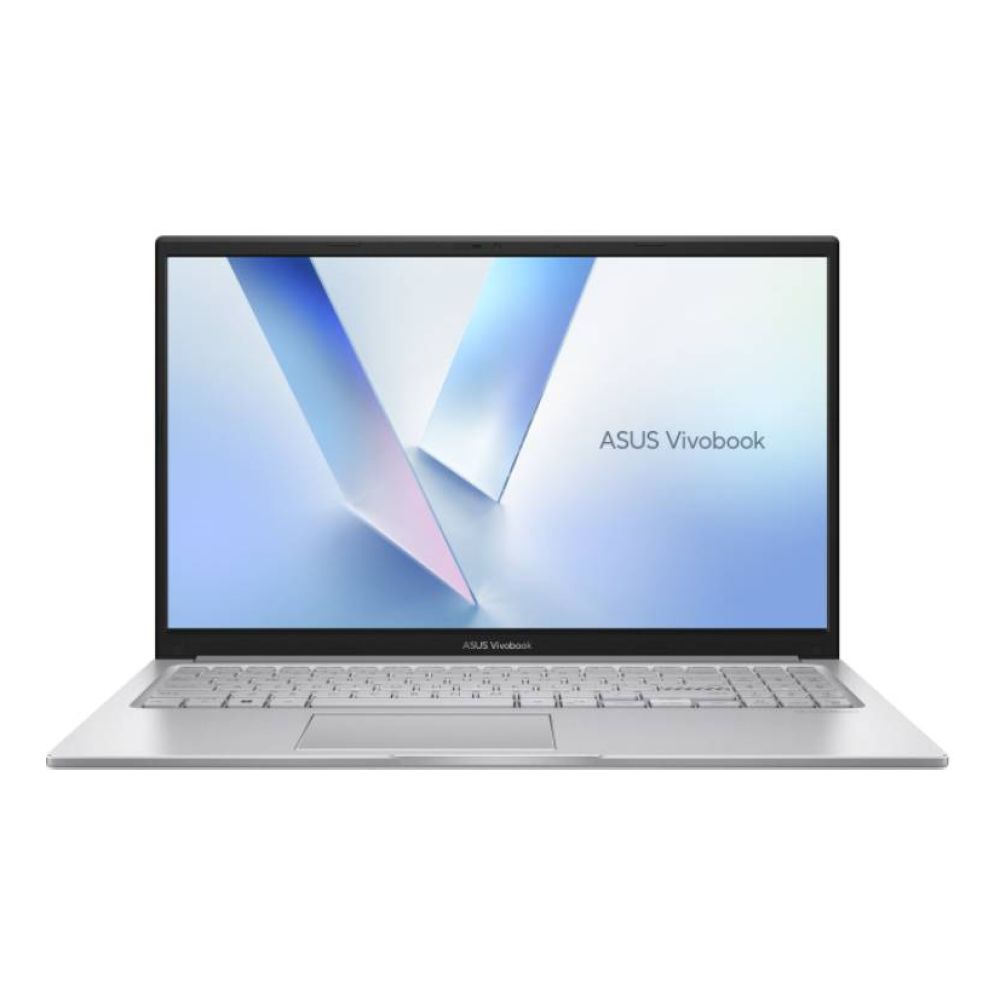
- Processor: Intel Core i3-1315U
- RAM: 8GB DDR4
- Storage: 512GB NVMe SSD
- Display: 15.6" Full HD IPS, 120Hz
- OS: Windows 11 Home

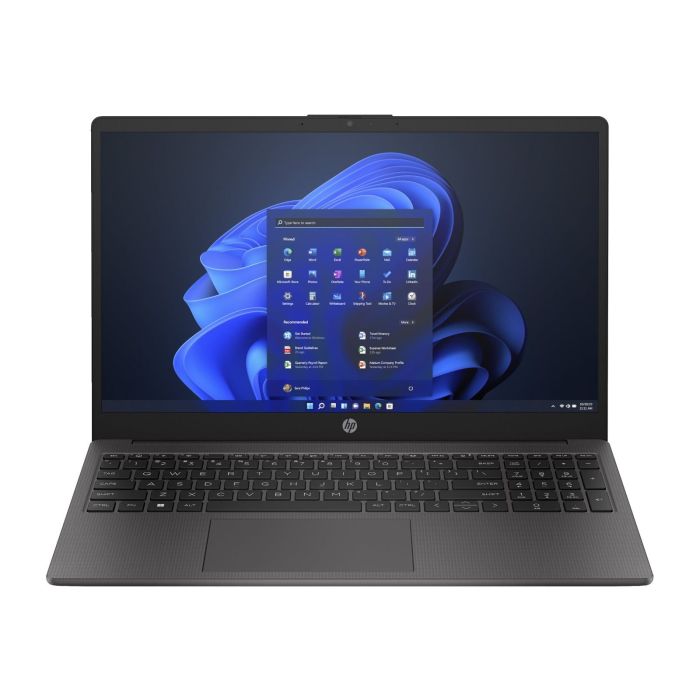
- Processor: Intel Core i5-1334U
- RAM: 16GB DDR4
- Storage: 512GB SSD
- Display: 15.6" Full HD
- OS: Windows 11 Pro

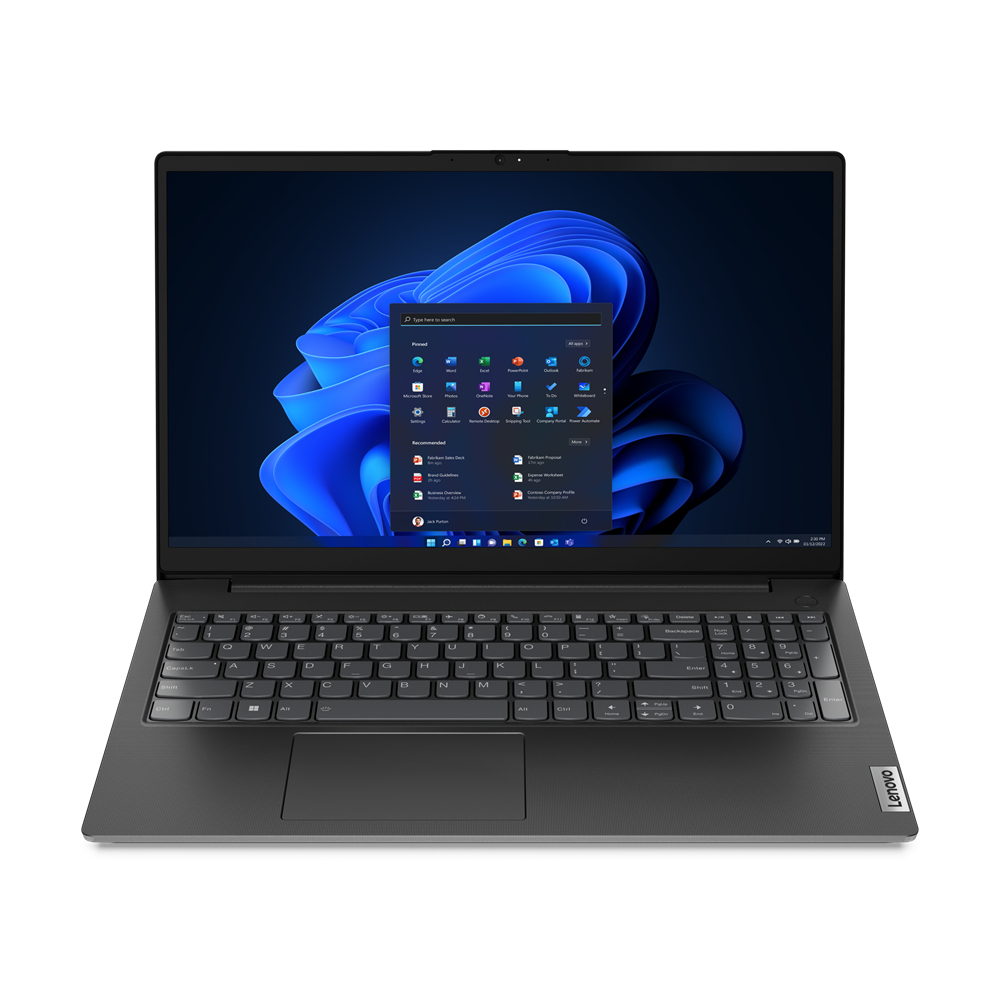
- Processor: AMD Ryzen 7 Pro 7730U
- RAM: 16GB DDR4
- Storage: 512GB NVMe SSD
- Display: 15.6" Full HD
- OS: Windows 11 Pro
What Do You Actually Need in a Home Laptop?
Before we get to the picks, here’s a quick breakdown of what actually matters — and what you can safely ignore.
Speed for everyday tasks:
You don’t need a cutting-edge processor for home use. An Intel Core i3 or i5, or an AMD Ryzen processor, handles web browsing, streaming, video calls, and office tasks without any fuss. The gap between a Core i3 and a Core i7 only starts to show in demanding applications — and most home users never run them.
A comfortable screen: A 15.6″ Full HD (1920×1080)
Display is the sweet spot for home use. It’s big enough to watch a film comfortably, clear enough that text doesn’t strain your eyes, and not so large that the laptop becomes awkward to move around the house.
Enough storage:
A 512GB SSD gives you plenty of room for years of photos, downloaded documents, and software without running out of space. It also makes the laptop boot up quickly and feel snappy day-to-day — much faster than the older hard drives you might remember from laptops a decade ago.
Windows 11 Home:
All three laptops in this guide come with Windows 11 Home pre-installed. It’s set up and ready to go out of the box — just connect to your Wi-Fi, sign in with a Microsoft account, and you’re away. If you’re not sure whether you need the Pro version, the honest answer for home use is: you don’t. If you’re unsure what specs matter most, our laptop buying guide explains the difference between processors, RAM, and SSD storage in simple terms.
Best Laptops for Home Use in 2026 — Top Picks
All three laptops below are new, and in stock at Techyest.
- Processor: Intel Core i3-1315U
- RAM: 8GB DDR4
- Storage: 512GB NVMe SSD
- Display: 15.6" Full HD IPS, 120Hz
- OS: Windows 11 Pro
Best Budget Home Laptop — ASUS VivoBook 15
At this price, the ASUS VivoBook 15 is a genuinely impressive package. The 512GB NVMe SSD keeps everything feeling fast — pages load quickly, apps open without delay, and it boots up in seconds rather than the minute-long wait that used to be normal. The 15.6″ Full HD display is sharp and clear, making it a comfortable screen to watch Amazon Prime Video or catch up on iPlayer in the evenings.
The 8GB DDR4 RAM is worth noting honestly: for typical home use — a few browser tabs, a Zoom call, streaming — it’s absolutely fine. Where it starts to feel stretched is if you’re doing several things at once and have a lot of Chrome tabs open simultaneously. It’s not a dealbreaker for home use, but it’s worth knowing. The good news is that for the price, it’s hard to find a better-specced machine, and for occasional or lighter use, it does everything you’d need it to do.
Ideal for: Anyone who needs a dependable everyday laptop and wants to spend as little as possible without buying something they’ll regret.
Best Overall Home Laptop — HP 250 G10
Ideal for: Households that want a reliable, smooth everyday laptop that won’t feel sluggish after a year or two.
- Processor: Intel Core i5-1334U
- RAM: 16GB DDR4
- Storage: 512GB SSD
- Display: 15.6" Full HD
- OS: Windows 11 Home
The jump from the VivoBook to the HP 250 G10 isn’t just about the £95 difference in price — it’s about the difference 16GB DDR4 RAM and an Intel Core i5-1334U make in actual day-to-day use. This machine handles a fully loaded browser alongside a video call, a streaming tab, and a few documents open in the background without any of that slight hesitation you notice on a lower-spec machine. It just gets on with things.
HP’s 250 series has always been well-regarded for reliability, and this generation is no exception. The battery life is solid enough for a full day of casual home use without needing to stay near a socket — helpful if you move between rooms or occasionally work from a coffee shop. For most households, this is the laptop we’d point to first: not too cheap to feel compromised, not expensive enough to feel like an overspend.
Best Performance Home Laptop — Lenovo V15 G4
Ideal for: Busy households where more than one person uses the laptop, or anyone who wants a machine with room to spare for the next few years.
- Processor: AMD Ryzen 7 Pro 7730U
- RAM: 16GB DDR4
- Storage: 512GB NVMe SSD
- Display: 15.6" Full HD
- OS: Windows 11 Pro
The Lenovo V15 G4 might come as a surprise — it doesn’t carry a premium brand badge, but the AMD Ryzen 7 Pro 7730U processor inside it is genuinely powerful. This is a chip you’d expect to find in machines costing considerably more, and it shows in real-world performance: the laptop handles everything a home environment throws at it with clear headroom to spare. For a household where one person is streaming Disney+, another is video calling a friend on Zoom, and someone else is browsing Google Photos — this machine takes it all in its stride.
The AMD Ryzen 7 Pro also handles integrated graphics better than most Intel Core i5 equivalents, which matters if anyone in the household wants to do light photo editing, watch high-quality video, or play casual games. Paired with 16GB DDR4 RAM and a fast 512GB NVMe SSD, it’s a machine with the specs to stay relevant and capable for several years, not just the next twelve months. If you’re comparing it against student laptops or looking for something that could double up for light work tasks, this one covers both comfortably.
Side-by-Side: How Do They Compare?
Which One Should You Go For?
Three laptops, three different situations — here’s the short version.
If you’re watching the budget closely, the ASUS VivoBook 15 is the honest choice. It does exactly what a home laptop needs to do, the storage is generous, and the display is genuinely good for the price. Just don’t expect it to sprint through ten open tabs and a video call simultaneously.
For most households, the HP 250 G10 is the one we’d recommend. The extra over the VivoBook buys you 16GB RAM and a noticeably quicker processor — the kind of upgrade you feel every day rather than just in benchmarks. It’s the sweet spot between affordability and performance, and it’s the pick that most people won’t second-guess.
If the laptop is going to get serious use — multiple family members, someone who works from home occasionally, or you just want a machine that won’t feel slow in three years — the Lenovo V15 G4 is worth the stretch. The Ryzen 7 Pro processor delivers stronger real-world performance than you might expect at this price point, and 16GB RAM gives it the headroom to stay comfortable as your usage grows.
Not sure whether a home laptop or something more tailored is the right call? If you need something for professional use, take a look at our range of business laptops — they’re built to a slightly different specification with security features and build quality that serious work demands.
Frequently Asked Questions (FAQs):
What is the best laptop for home use in the UK?
Is 8GB RAM enough for a home laptop in 2026?
What size laptop is best for home use?
Do I need Windows 11 Pro for home use?
Ready to Find Your Laptop?
All three laptops in this guide are new — not refurbished, not ex-display — and come with a full UK manufacturer warranty for peace of mind. A refurbished machine might save a few pounds upfront, but you’re often inheriting a degraded battery and unknown wear on the hardware. Buying new means you start fresh, with full coverage if anything goes wrong. Next-day delivery is available across the UK from Techyest. Browse all laptops at Techyest and find the one that fits.

TechYest Editorial Team
The Techyest Team is a group of UK-based laptop specialists providing practical, honest buying advice for consumers and businesses across the United Kingdom. Our content is researched and written by in-house specialists with hands-on experience across HP, Dell, Lenovo, and ASUS product ranges. Every recommendation is based on direct product knowledge and a clear understanding of what UK buyers need at different budgets. All buying guides published under the Techyest Team are reviewed for accuracy against current UK stock availability, pricing, and manufacturer specifications before publication.
Follow Us On


Recommended Picks:
SKU: M3407HA-VIVO-S14-R9
- AMD Ryzen 9
- 32GB
- 1TB SSD

SKU: D37HZEA#ABU
- AMD Ryzen 5
- 16GB
- 512GB SSD