


Comparison Guide 2026
Intel Core i5 vs AMD Ryzen 5 — What's the Real Difference?
Both names show up on laptops at almost identical prices, doing almost identical jobs. So why does the choice still feel confusing?
Because “Intel Core i5” and “AMD Ryzen 5” aren’t single processors — they’re entire families spanning several generations, each with different strengths. If you’re trying to decide between Intel Core i5 vs AMD Ryzen 5, the honest answer depends less on the brand name and more on what you’ll actually use your laptop for. Here’s the version that genuinely helps you decide.
- July 14, 2026
- 20 min read
- Techyest Team
Intel Core i5 tends to have a slight edge in single-core tasks — the kind of quick, responsive performance you notice in everyday use, web browsing, and most office software.
AMD Ryzen 5 tends to offer stronger multi-core performance and better integrated graphics for the price — useful if you multitask heavily or do light creative work.
For most everyday users, the practical difference is smaller than the marketing suggests. The bigger factor is usually the specific generation and configuration, not the brand badge.
If you’re also deciding between Intel processor tiers, our Intel Core i5 vs Intel Core i7 guide explains where upgrading makes a real difference.
Intel Core i5 vs AMD Ryzen 5 — Quick Comparison
Features
Intel Core i5
AMD Ryzen 5
Single-core performance
Multi-core performance
Integrated graphics
Battery life (U-series)
Typical price
Business features
Best for
- Slight edge — snappier in everyday tasks
- Solid, varies by U vs H series
- Generally behind AMD at the same tier
- Strong with Core Ultra and recent U-series
- Slightly higher at matching specs
- Broader vPro / enterprise management support
- Everyday responsiveness, business laptops
- Comparable, slightly behind in light tasks
- Often stronger at the same price point
- Consistent advantage — better for light creative/casual gaming
- Strong — historically AMD's reputation, gap has narrowed
- Often slightly cheaper at matching specs
- Improving, but less common in business ranges
- Value, multitasking, light creative work
What "Core Ultra" Actually Means
Here’s what most comparisons skip: “Intel Core i5” covers processors from several different generations and series — U-series chips built for efficiency, H-series chips built for performance, and now Core Ultra 5 chips with dedicated AI processing.
The same applies to AMD Ryzen 5 — there are U-series chips for thin, light laptops and H-series chips for more demanding work, plus newer Ryzen AI 5 models with NPU support.
So when someone asks “Intel or AMD,” the honest first question back is: which specific chip, in which specific machine? A Core i5-1334U (efficiency-focused) and a Core i5-13420H (performance-focused) are both “Core i5,” but they behave very differently in daily use.
Performance — Where Each One Actually Wins
For everyday responsiveness — opening apps, browsing, switching between windows — Intel’s single-core performance has traditionally had a slight edge. You’ll feel this most in tasks that don’t spread across multiple cores, which covers a lot of typical desktop use.
For multitasking and sustained workloads — multiple browser tabs, video calls running alongside document editing, background processes — AMD Ryzen 5 chips, particularly in the H-series, often perform comparably or better thanks to strong multi-core architecture.
For integrated graphics — AMD has held a consistent advantage here. AMD’s integrated Radeon graphics generally outperform Intel’s integrated graphics at the same price point, which matters if you do light photo editing, casual gaming, or any graphics work without a dedicated GPU.
In practical terms: if your day is mostly browser tabs, documents, and video calls, either chip handles it comfortably. The difference becomes more noticeable under sustained heavier workloads.

Battery Life — Less of a Gap Than It Used to Be
AMD built a strong reputation for efficiency in recent generations, particularly in U-series mobile chips. Intel has closed that gap significantly with newer U-series and Core Ultra processors, which are specifically engineered for power efficiency over raw performance.
The honest takeaway: battery life today depends more on the specific chip variant (U-series vs H-series) than on the Intel-vs-AMD question itself. A U-series chip from either brand will outlast an H-series chip from either brand in battery testing — the brand badge matters less than the suffix.
Newer Intel Core Ultra and AMD Ryzen AI processors also include dedicated NPUs for AI-assisted workloads, although those features matter only if your software can take advantage of them.
Price — Where AMD Often Has the Edge
This is one area where the difference is more consistent. AMD Ryzen 5 laptops frequently come in slightly cheaper than Intel Core i5 equivalents at the same specification level — similar RAM, similar storage, similar screen quality.
For budget-conscious buyers, this is a genuine reason to consider AMD seriously rather than defaulting to Intel out of habit.
Which Processor Is Best for Your Type of Work?
- Students: Either processor is an excellent choice. Prioritise 16GB RAM and a fast SSD over the CPU brand.
- Office and Business Users: Intel Core i5 remains a strong option thanks to excellent everyday responsiveness and broad business laptop availability.
- Home Users: Both processors deliver more than enough performance for browsing, streaming, and everyday productivity.
- Creative Users: AMD Ryzen 5 often offers stronger integrated graphics, making it a good choice for light photo editing, content creation, and casual creative work.
- Casual Gamers: Ryzen 5 generally has the advantage when relying on integrated graphics, although a dedicated GPU remains far more important for gaming performance.
Choose Intel Core i5 if you want consistently strong single-core responsiveness for everyday tasks, you’re buying a business laptop where Intel’s vPro and enterprise management features matter, or you simply want the most widely tested and broadly compatible option.
Choose AMD Ryzen 5 if budget is a priority and you want strong value for the spec, you do light creative work that benefits from better integrated graphics, or your workload genuinely benefits from multi-core performance.
For most home, student, and general business use, you won’t notice a meaningful real-world difference between a well-specified i5 and a well-specified Ryzen 5. RAM and storage will affect your day-to-day experience more than the processor brand. If you’re unsure how much memory you actually need, our laptop buying guide explains where additional RAM makes a noticeable difference.
Real Laptops With Each Processor
If you want to see the difference for yourself rather than just read about it, here are two genuinely comparable options from Techyest’s current range:
The HP ProBook 450 G10 runs an Intel Core i5-1334U — a U-series chip built for efficiency, paired with Windows 11 Pro and proper business security. It’s a strong example of where Intel’s efficiency-focused i5 chips land: dependable everyday performance with solid battery life.
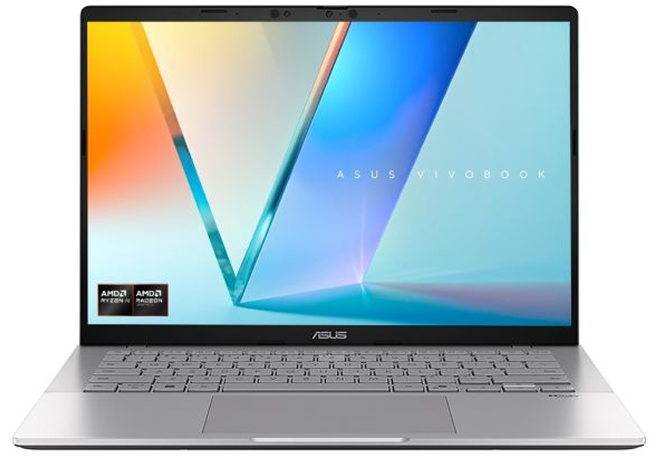
On the AMD side, several models in the Lenovo ThinkPad range and HP’s consumer line are available with AMD Ryzen 5 processors — genuinely competitive options at this tier, particularly where value and integrated graphics performance matter more than peak single-core speed.
Buyers looking specifically for a business machine can also explore our Business Laptop Buying Guide for more recommendations.
Frequently Asked Questions
Is Intel Core i5 better than AMD Ryzen 5 for everyday use?
Which is better for gaming, i5 or Ryzen 5?
Does AMD Ryzen 5 have worse battery life than Intel Core i5?
Is AMD Ryzen 5 cheaper than Intel Core i5?
What's the difference between Ryzen 5 U-series and H-series chips?
Is Intel Core i5 Better Than Ryzen 5 for Students?
Still deciding? Browse our full range of Business Laptops at Techyest, or get in touch if you want a second opinion on what fits your specific remote setup.

TechYest Editorial Team
The Techyest Team is a group of UK-based laptop specialists providing practical, honest buying advice for consumers and businesses across the United Kingdom. Our content is researched and written by in-house specialists with hands-on experience across HP, Dell, Lenovo, and ASUS product ranges. Every recommendation is based on direct product knowledge and a clear understanding of what UK buyers need at different budgets. All buying guides published under the Techyest Team are reviewed for accuracy against current UK stock availability, pricing, and manufacturer specifications before publication.
Follow Us On:


In This Guide
Recommended Picks:
SKU: X1605VA-MB130W
- Intel Core i5 1335U
- 8GB
- 512GB SSD

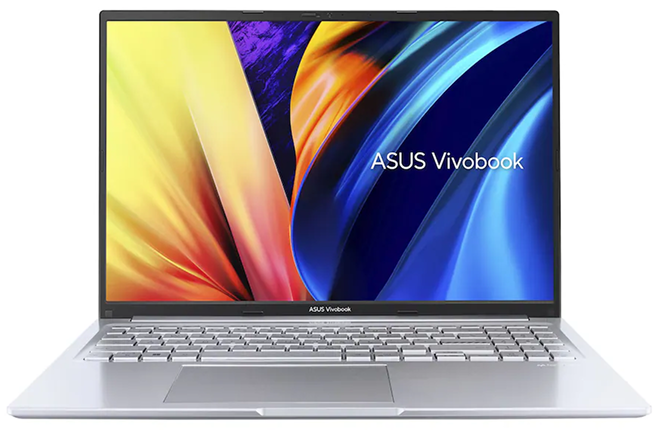
£483.51 Excl. VAT
- AMD Ryzen 5
- 16GB
- 512GB SSD