



Comparison Guide 2026
Lenovo vs HP Laptops UK: Which Should You Buy in 2026?
Ask ten people whether Lenovo or HP makes the better laptop, and you’ll get ten different answers, most of them based on whatever laptop they happened to own five years ago. It’s not a bad way to form an opinion, but it’s not a great way to make a purchase decision today.
Lenovo and HP are both huge, and both cover almost every type of UK buyer — students, home users, IT managers equipping fifty desks, freelancers who live out of a laptop bag. The honest answer to “Lenovo vs HP” isn’t a winner. It’s “which one, doing what job.” This guide walks through the actual differences that matter, using the ranges we stock at Techyest as concrete examples rather than staying abstract.
- July 21, 2026
- 20 min read
- Techyest Team
Quick Answer - Which Laptop Should you Choose?
if you need:
Consider
If we had to recommend one
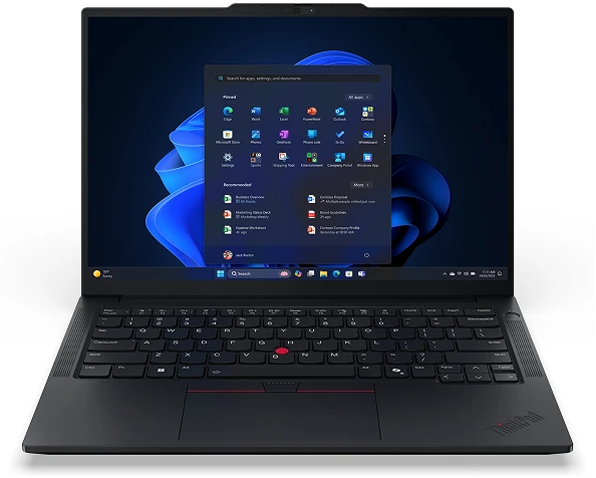
Lenovo V15 G4
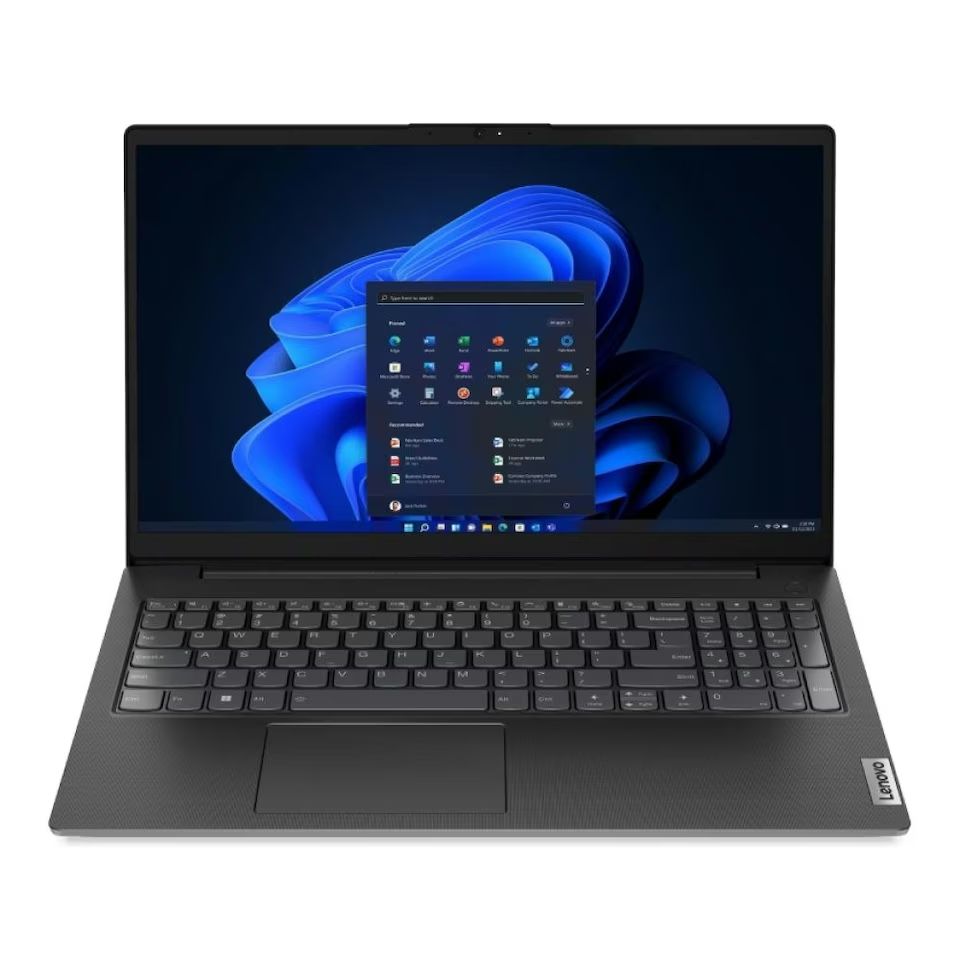
Power Through Your Workday
Intel Core i7 performance and 16GB memory provide the responsiveness needed for demanding business applications and multitasking.
Built for the Office
A spacious 15.6" Full HD display, numeric keypad, and versatile connectivity make everyday business tasks more efficient.
Ready for Business
Windows 11 Pro, TPM 2.0, Wi-Fi 6, and a privacy-shutter webcam provide the essentials for modern professional working.
Price
£636.00 Excl. VAT
Next Day Delivery
Order by 4pm
Manufacturer Warranty
Fast dispatch with full warranty protection
If we had to recommend one
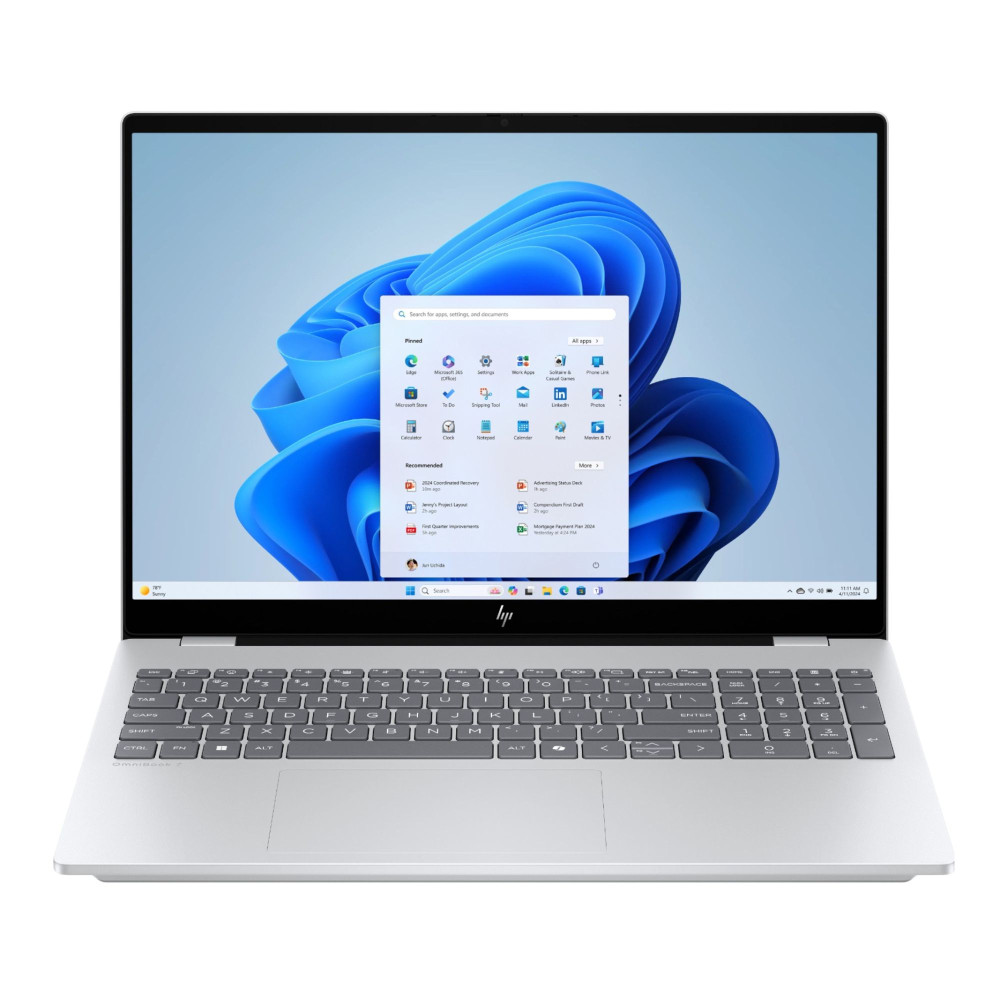
HP 250R G9
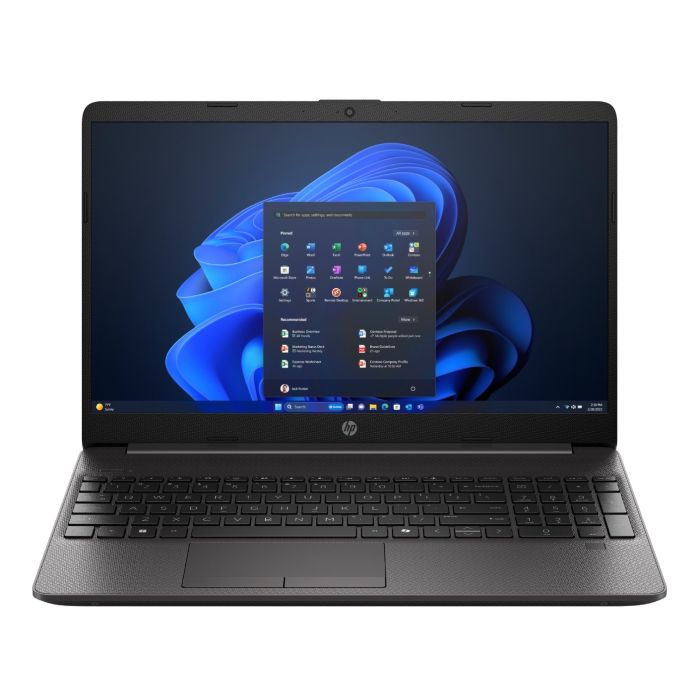
Ready for Work
Intel Core Ultra 5 processing with 16GB memory keeps everyday business applications and multitasking running smoothly.
Work With More Room
The spacious 15.6" Full HD display provides a comfortable workspace for documents, spreadsheets, presentations, and communication.
Connected & Secure
Windows 11 Pro, Wi-Fi 6, TPM security, and built-in Ethernet provide the essentials for modern business environments.x
Price
£591.48 Excl. VAT
Next Day Delivery
Order by 4pm
Manufacturer Warranty
Fast dispatch with full warranty protection
Where the Two Brands Actually Differ
Build Quality and the Keyboard Question
If there’s one area where Lenovo has genuinely built a reputation rather than just a marketing line, it’s the ThinkPad. Lenovo’s ThinkPad line has a long-standing association with military-grade durability testing — the kind of thing that sounds like a gimmick until you’ve dropped a laptop on a train platform and it still boots. More than that, ThinkPad keyboards are consistently rated among the best on any laptop, business or otherwise, and that’s not a small thing if you spend eight hours a day typing on one.
HP’s approach with ProBook is more conventional. It’s a solid, dependable business laptop — good keyboard, sensible build, nothing wrong with it — but it isn’t chasing the same reputation for ruggedness that ThinkPad has spent decades building. That doesn’t make ProBook a worse laptop. It just means the two brands are optimising for slightly different things: Lenovo leans into “this will survive anything,” HP leans into “this does the job well and looks good doing it.”
Two Different Philosophies on Business Laptops
This is really where the Lenovo vs HP question gets interesting, because both brands split their business offering into more than one line, and the split tells you something about how they think about buyers.
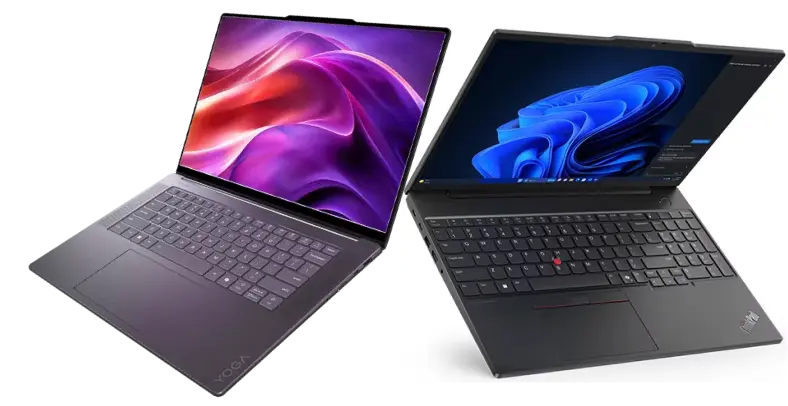
Lenovo runs ThinkPad and ThinkBook side by side. ThinkPad is the flagship — the T-series is what most UK businesses actually deploy, striking a balance between the full ThinkPad experience and a sensible price, while the X1 series sits above it for people who travel constantly and want the lightest, most premium build Lenovo makes.
ThinkBook exists underneath that as a more modern-looking alternative — same commitment to reliability, less of the “corporate IT department” aesthetic, aimed at hybrid workers who want something that doesn’t scream “issued by the office.” For a deeper comparison of Lenovo’s own two business lines, see our ThinkPad vs ThinkBook UK guide.
HP takes a single-line approach with ProBook — Windows 11 Pro as standard, built around centralised device management, aimed squarely at IT teams provisioning company-owned machines. There’s less internal segmentation than Lenovo offers, which can actually be simpler if you don’t want to think too hard about which sub-range fits.
Neither approach is objectively better. If you like having options within the business tier — a flagship and a value alternative — Lenovo gives you that. If you’d rather have one clear business line and not overthink it, HP’s approach is more straightforward.

Everyday Use Looks Different Too
Business laptops aren’t the whole story. A lot of buyers just want something reliable for browsing, streaming, coursework or general home use, and here the brands diverge again.
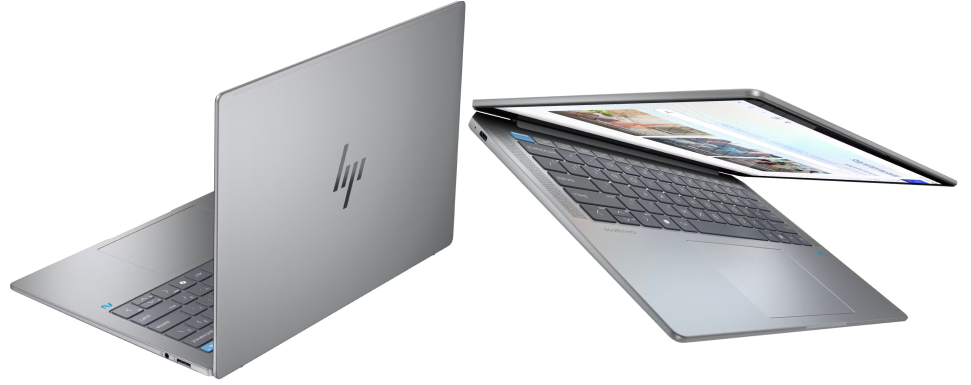
HP’s answer is the OmniBook range — Windows 11 Home, AI-ready processors, and (in the OmniBook X Flip models) a touchscreen 2-in-1 design that folds flat into tablet mode. It’s built for people who want modern features without needing an IT department to manage the device. For a closer look at HP’s two main lines, see our HP ProBook vs OmniBook comparison guide.
Lenovo’s everyday range sits within the broader Lenovo laptops category, including IdeaPad models aimed at students and home users who want dependable performance without paying for specs they’ll never use. Where HP’s OmniBook line pushes AI features and 2-in-1 flexibility as the headline, Lenovo’s everyday range leans on the same values that built its business reputation — solid build, good battery life, straightforward pricing.
Do RAM, Storage and Screen Size Actually Depend on the Brand?
Less than you’d think. This is worth saying plainly, because it’s easy to assume “Lenovo specs” or “HP specs” are a distinct thing, and they’re not — both brands build laptops across a huge range of configurations, and a well-specced machine from either brand will outperform a poorly-specced one from the other every time.
What’s genuinely worth knowing: 16GB RAM has become the sensible baseline for anyone doing more than basic browsing, regardless of brand. 512GB SSD is the common starting point for storage, with 1TB available on higher-tier models from both Lenovo and HP. 15.6-inch remains the most popular screen size for UK buyers, balancing portability against having enough room to actually work comfortably. None of this is brand-specific — it’s about picking the configuration that matches your workload, then choosing between Lenovo and HP based on the factors above (build philosophy, business-line structure, keyboard preference) rather than the spec sheet.
If you want to compare configurations across both brands directly rather than by brand name, our 16GB RAM laptops category is a faster way to browse than going brand-by-brand. Deciding between 8GB and 16GB specifically? Our 8GB vs 16GB RAM comparison breaks down the real-world difference.
Windows 11 Pro vs Home — The Difference That Actually Matters More Than Brand
Here’s a distinction that quietly matters more than most buyers realise, and it cuts across both brands rather than sitting neatly on one side. Lenovo’s ThinkPad and ThinkBook, along with HP’s ProBook, typically run Windows 11 Pro — which supports domain join and remote device management, the standard requirement for IT teams managing company-owned laptops at scale. HP’s OmniBook range, by contrast, runs Windows 11 Home, built for individual users rather than centrally administered fleets.
If you’re buying for a business and centralised management matters, that’s arguably a bigger factor than whether the laptop happens to be a Lenovo or an HP. Check the OS edition on the specific model rather than assuming it based on the brand.
If you’re kitting out an office and want the strongest reputation for durability and keyboard comfort, ThinkPad is hard to beat, with ThinkBook as a slightly more modern-looking alternative that doesn’t sacrifice much. If you’d rather keep things simple with one clear business line and Windows 11 Pro as standard, ProBook does the job well.
And if you’re buying for yourself or a student rather than a managed fleet, it comes down to whether you want OmniBook’s AI features and 2-in-1 flexibility, or Lenovo’s everyday range built on the same reliability-first thinking as its business laptops.
If you’re equipping a team rather than a single laptop, our Business Laptops category lets you compare both brands side by side, and our Business Solutions team can help with bulk pricing. Comparing Lenovo against another brand instead? See our Lenovo vs Dell Laptops guide.
FAQs
Is Lenovo or HP better for business laptops?
Both make capable business laptops, but Lenovo’s ThinkPad range has the stronger reputation for keyboard quality and durability testing. HP’s ProBook is a solid alternative if you prefer HP’s simpler, single-line approach to business devices. See our Business Laptops category to compare current stock from both brands.
Is Lenovo or HP better for students?
Neither brand has a clear edge for students — it comes down to the specific model rather than the badge. Lenovo’s everyday range and HP’s OmniBook line both offer configurations suited to typical student budgets and workloads. Our Laptop Buying Guide covers this by price bracket if you want more detail.
What's the difference between ThinkPad and ThinkBook?
Should I choose Lenovo or HP for AI features like Copilot+?
Do Lenovo and HP laptops come with a UK warranty?

TechYest Editorial Team
The Techyest Team is a group of UK-based laptop specialists providing practical, honest buying advice for consumers and businesses across the United Kingdom. Our content is researched and written by in-house specialists with hands-on experience across HP, Dell, Lenovo, and ASUS product ranges. Every recommendation is based on direct product knowledge and a clear understanding of what UK buyers need at different budgets. All buying guides published under the Techyest Team are reviewed for accuracy against current UK stock availability, pricing, and manufacturer specifications before publication.
Follow Us On:


In This Guide
Item #1
Recommended Picks:
- Intel Core Ultra 5
- 16GB
- 512GB SSD

SKU: BG3G9EA#ABU
- Intel Core Ultra 5
- 16GB
- 1TB SSD

£768.50 Excl. VAT