


Intel Core i5 vs Core i7 Laptops in UK — Which Should You Buy?
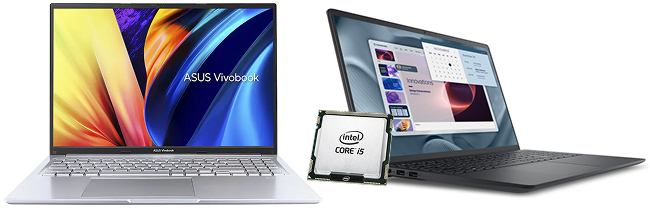
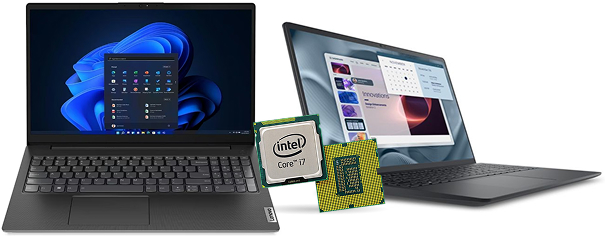
Most people searching for a new laptop assume the same thing: i7 is better than i5, so i7 must be the right choice. It is not that simple. When comparing Intel Core i5 vs i7 laptops in UK, the honest answer depends entirely on what you actually do with your laptop every day — not what sounds more impressive on a spec sheet. This guide cuts through the marketing and gives you a straight answer.
- June 5, 2026
- 13 min read
- Techyest Team
What Is the Actual Difference Between Core i5 and Core i7?
At their core — no pun intended — the difference comes down to three things: core count, cache size, and sustained performance under load.
A Core i5 typically has 6 to 10 cores. A Core i7 usually offers 8 to 14 cores, a larger cache, and the ability to sustain higher clock speeds for longer under heavy workloads — thanks to more aggressive Turbo Boost behaviour.
In plain English, the i7 has more headroom when pushed hard. But here What many buyers don’t realise is that — for everyday tasks, both chips spend most of their time running well below their maximum capacity. The real-world gap between i5 and i7 is far smaller than the price gap suggests.
If you’re unsure how processors fit into overall laptop performance, our laptop buying guide explains RAM, SSDs, and display types in simple terms.
The "U" vs "H" Series — This Matters More Than i5 vs i7
This is the insight most UK laptop buyers completely miss — and it is more important than the i5 vs i7 decision itself.
Intel processor names include a suffix letter that tells you far more than the number does:
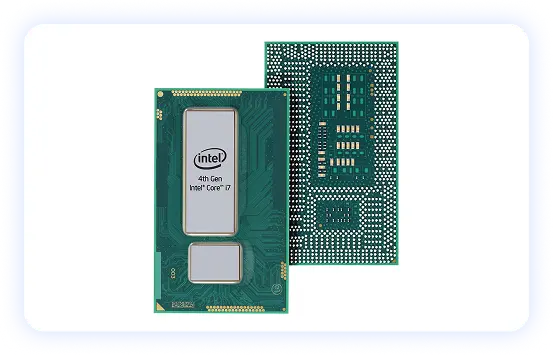
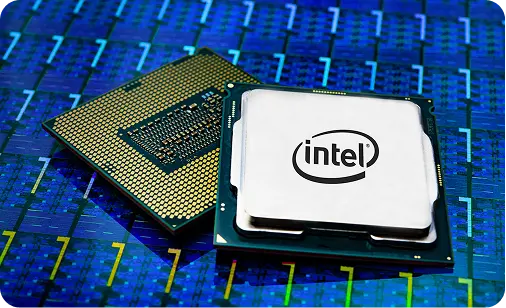
U-series (Ultra-low voltage) — designed for thin, light laptops with excellent battery life. Examples: Core i5-1334U, Core i7-1355U. These chips prioritise efficiency over raw power. The HP ProBook 450 G10 uses the Core i5-1334U — a U-series chip built for all-day business use without draining the battery.
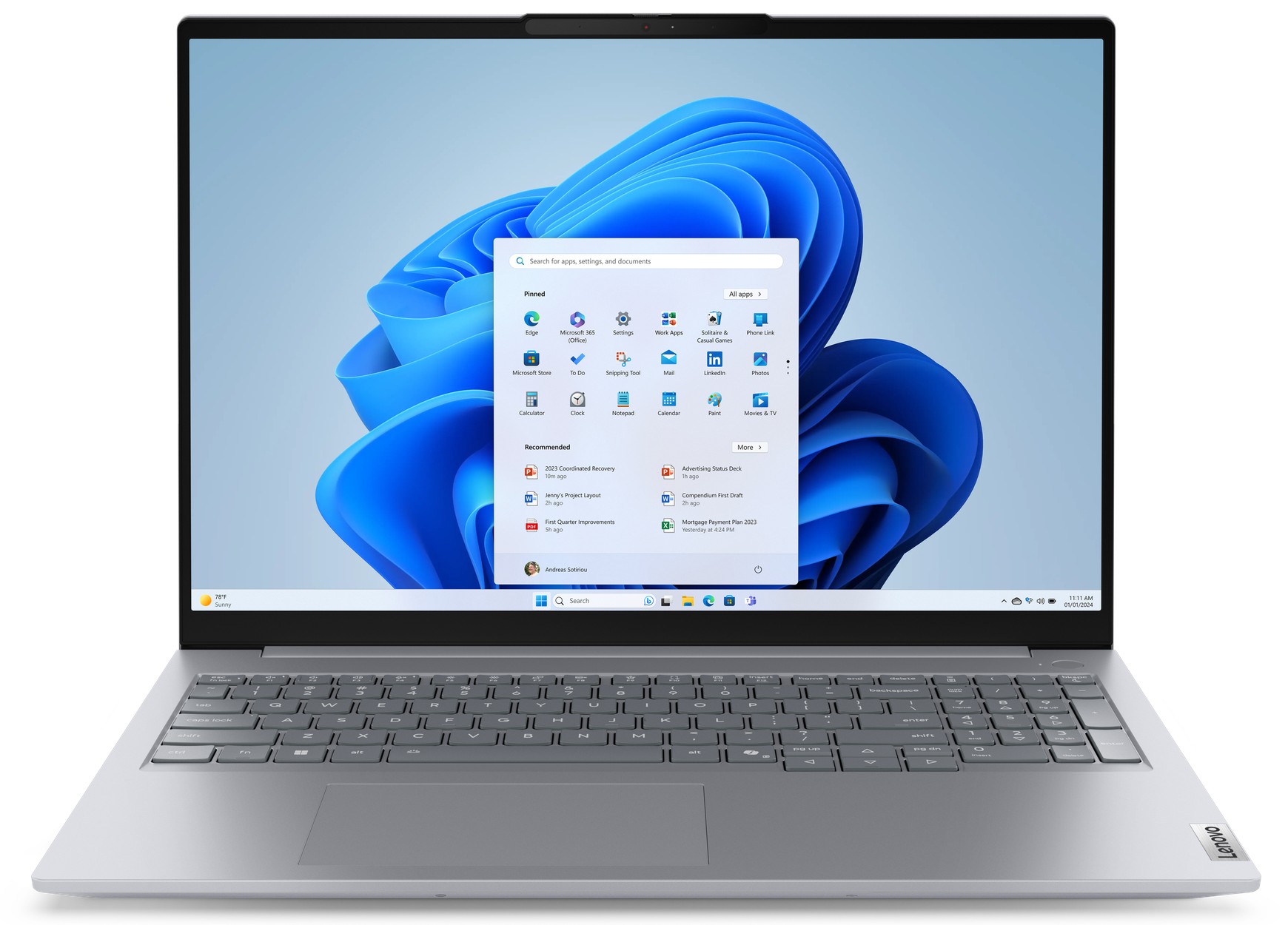
H-series (High performance) — designed for power-hungry tasks. More heat, shorter battery life, significantly more muscle. Examples: Core i5-13420H, Core i7-13620H. The Lenovo ThinkBook 16 G6 features the Core i5-13420H — an H-series chip that outperforms many U-series i7 laptops in demanding tasks.
The key point: a Core i5-H chip will outperform a Core i7-U chip in sustained workloads like video rendering or compiling code. The number matters less than the letter after it.
Check the suffix first. Then check the number.
When Is Core i5 Genuinely Enough?
For most UK buyers, a Core i5 handles everything runs smoothly. Here is what i5 manages comfortably:
- Web browsing, email, and video calls on Zoom or Microsoft Teams.
- Microsoft Office — Word, Excel, PowerPoint — including large spreadsheets.
- Streaming on Netflix, YouTube, and BBC iPlayer.
- University coursework, research tabs, and document writing.
- Working from home on standard business applications and cloud tools.
- Light photo editing and casual use of creative software.
For 80% of UK laptop buyers, Core i5 is not a compromise — it is the right choice.
When Is Core i7 Actually Worth the Extra Cost?
The i7 earns its premium in specific, demanding scenarios. Be honest with yourself about whether any of these apply to you:
- Running virtual machines or Docker containers regularly.
- Heavy financial modelling in Excel — thousands of rows, complex formulas, pivot tables.
- Video editing in Adobe Premiere Pro or DaVinci Resolve.
- Compiling code frequently as a developer.
- Running multiple demanding applications simultaneously — for example, a virtual machine alongside a browser, IDE, and communication tools.
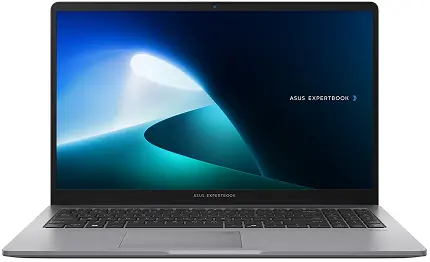
- Inter Core i7 13620H
- 512 GB SSD NVMe M.2
- 16 Gb DDR5-SDRAM
- 15.6” 1920 x 1080 pixels Full HD
This Laptop powered by the Core i7-13620H — is a good example of an H-series i7 built for exactly this kind of sustained, heavy use.
If none of the above describes your daily use, you are paying for performance you will never use.
The Price Gap — Is It Worth It in the UK?
This is where the decision becomes practical. The Lenovo ThinkBook 16 G6 with a Core i5-13420H sits in the mid-range segment, while the ASUS ExpertBook P1 with a Core i7-13620H is priced slightly higher. In cases where the price gap is relatively small, stepping up to the i7 can make sense for the extra performance headroom.
But that is not always how the market works. On comparable laptops from the same brand with similar specifications, the jump from Core i5 to Core i7 can sometimes add a significant premium. At that point, the decision becomes far more important.
The mistake most buyers make is comparing the processor name in isolation. Always compare the full specification: RAM, SSD size, display quality, cooling, and the suffix letter. In many real-world situations, an i5-H laptop can be a better long-term purchase than an i7-U laptop — despite the lower number in the name. We have also written another comparison of Intel Core i5 vs AMD Ryzen 5. You can also read that if you’re confused between i5 and Ryzen 5.
The Verdict — i5 or i7 for UK Buyers in 2026?

Students and home users:
Core i5 is the right call — full stop. Whether you are writing essays, browsing, streaming, or on video calls, an i5 handles all of it without limitation. Save the budget for more RAM or a larger SSD instead.
Most professionals and remote workers:
Look at the suffix before the number. A Core i5-H gives you more performance than a Core i7-U chip in most real workloads. If your work involves standard office applications, Teams calls, and cloud tools, i5 — H or U — is genuinely sufficient. If you need sustained heavy performance all day, step up to i7-H.


Power users, developers, and creators:
Core i7-H is worth the investment. If you are rendering video, compiling code, running virtual machines, or working in demanding creative software daily, the i7-H’s sustained performance advantage is real and you will feel it. The ASUS ExpertBook P1 with the Core i7-13620H is built precisely for this use case.
Frequently Asked Questions
Is Core i7 worth it over i5 for everyday use?
What does the "U" and "H" mean after Intel processor names?
Will I notice the difference between i5 and i7 for office work?
Which Intel processor is best for students in the UK?
For most UK university students, Core i5 — either U or H series depending on portability needs — is the ideal choice. It handles coursework, research, video calls, and light creative work without issue. Budget saved on the processor is better spent on 16GB RAM and a 512GB SSD, both of which have a bigger impact on day-to-day performance.
Ready to Choose Your Next Laptop?
Now you know the real difference between i5 and i7 — and why the suffix matters more than the number — you can shop with confidence. Browse by processor at Techyest and find the right chip for what you actually do.

TechYest Editorial Team
The Techyest Team is a group of UK-based laptop specialists providing practical, honest buying advice for consumers and businesses across the United Kingdom. Our content is researched and written by in-house specialists with hands-on experience across HP, Dell, Lenovo, and ASUS product ranges. Every recommendation is based on direct product knowledge and a clear understanding of what UK buyers need at different budgets. All buying guides published under the Techyest Team are reviewed for accuracy against current UK stock availability, pricing, and manufacturer specifications before publication.
Follow Us On


In This Guide
Recommended Picks:
SKU: UX3405CA-QL104W
- Intel Core Ultra 9
- 32GB
- 1 TB SSD

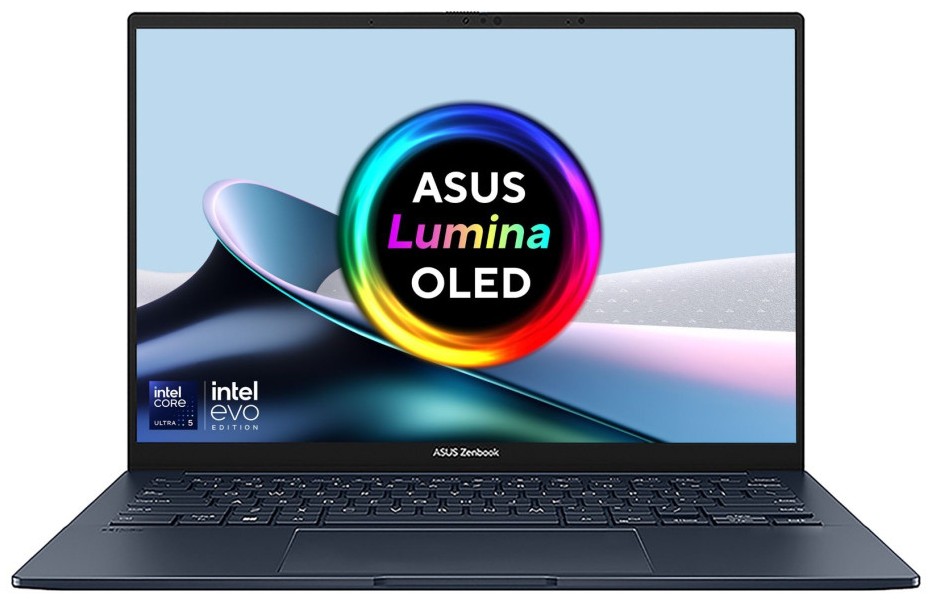
£1,054.50 Excl. VAT
SKU: 21SH008NUK
- Intel Core 7
- 16GB
- 512GB SSD